

Raw material for artwork: a 20-step journey
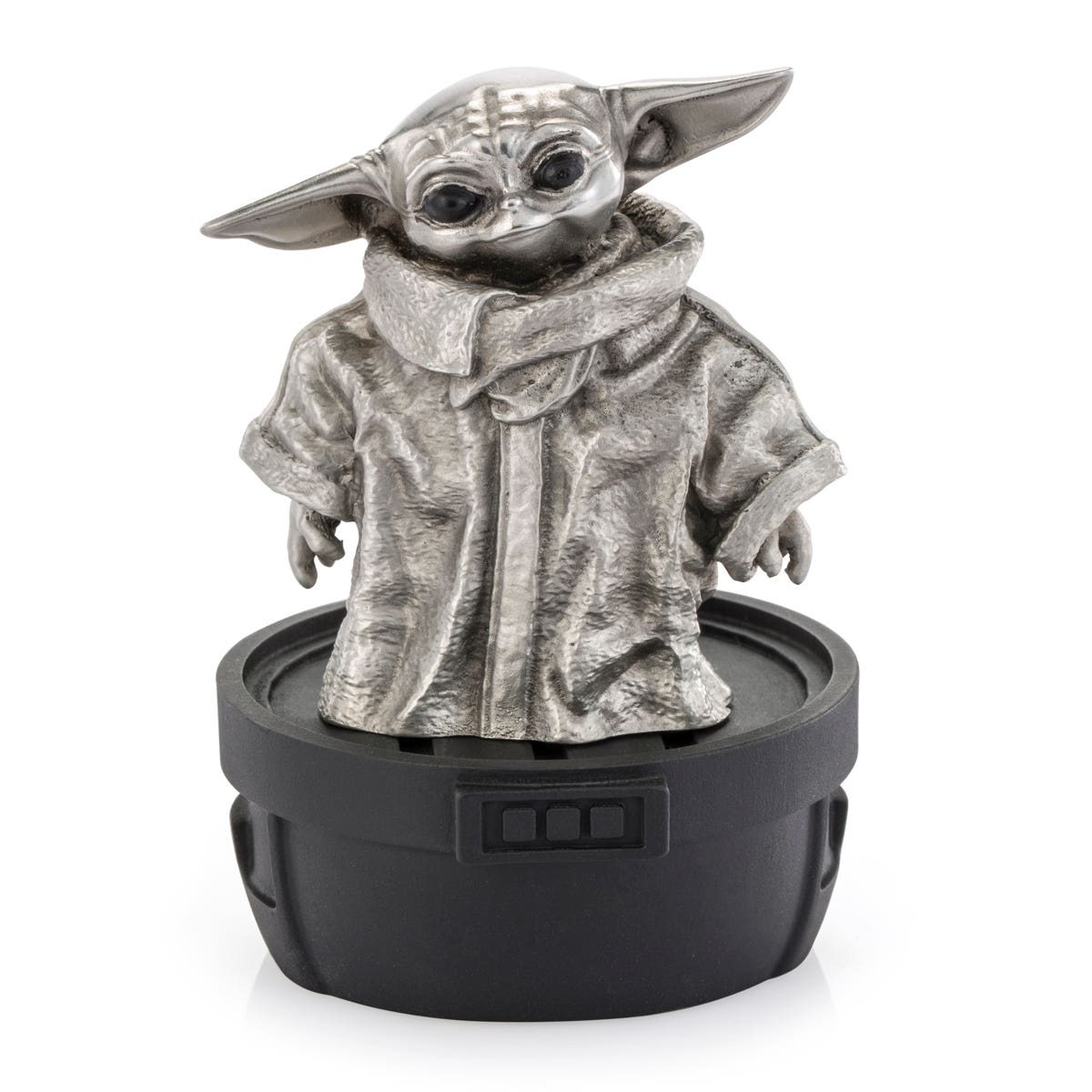
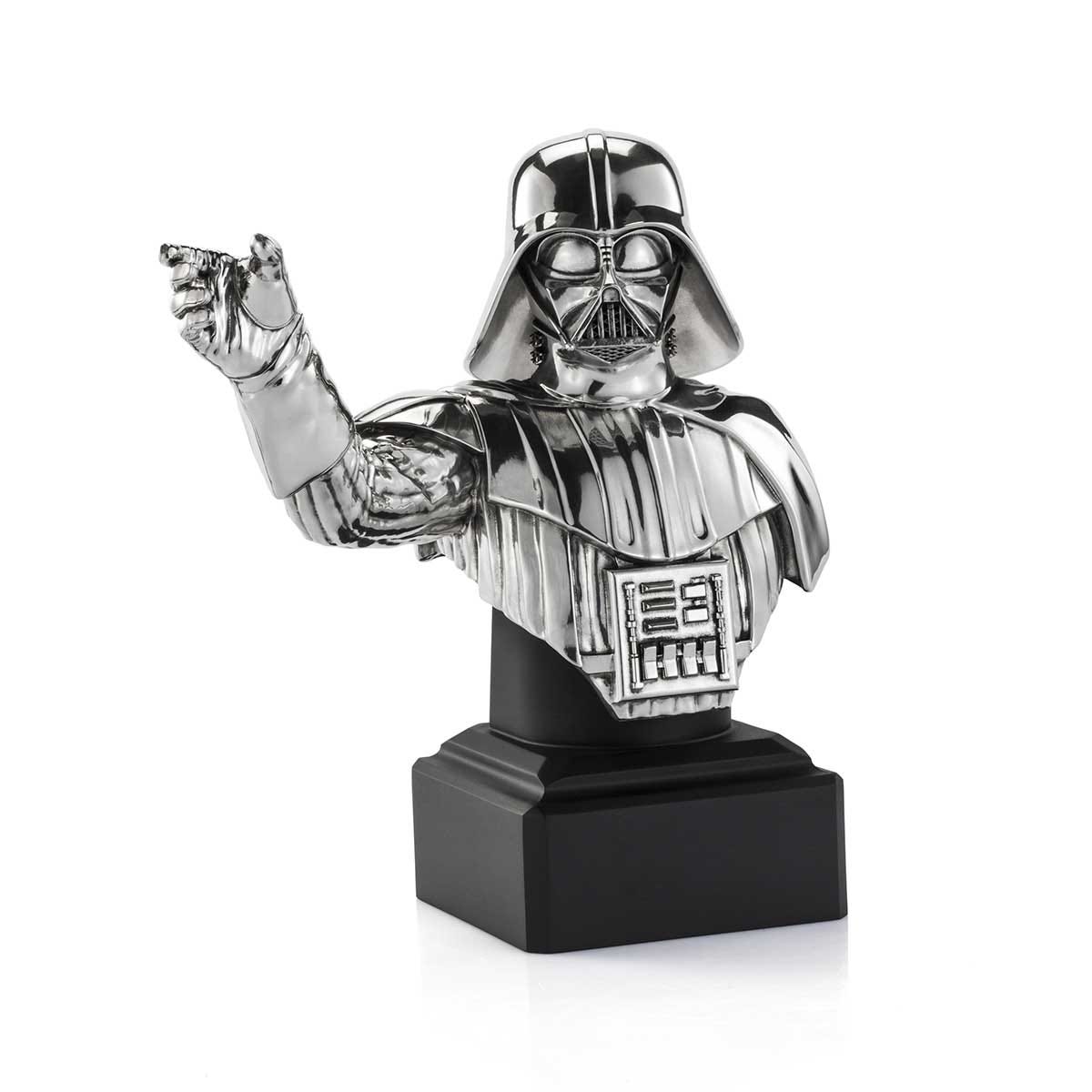
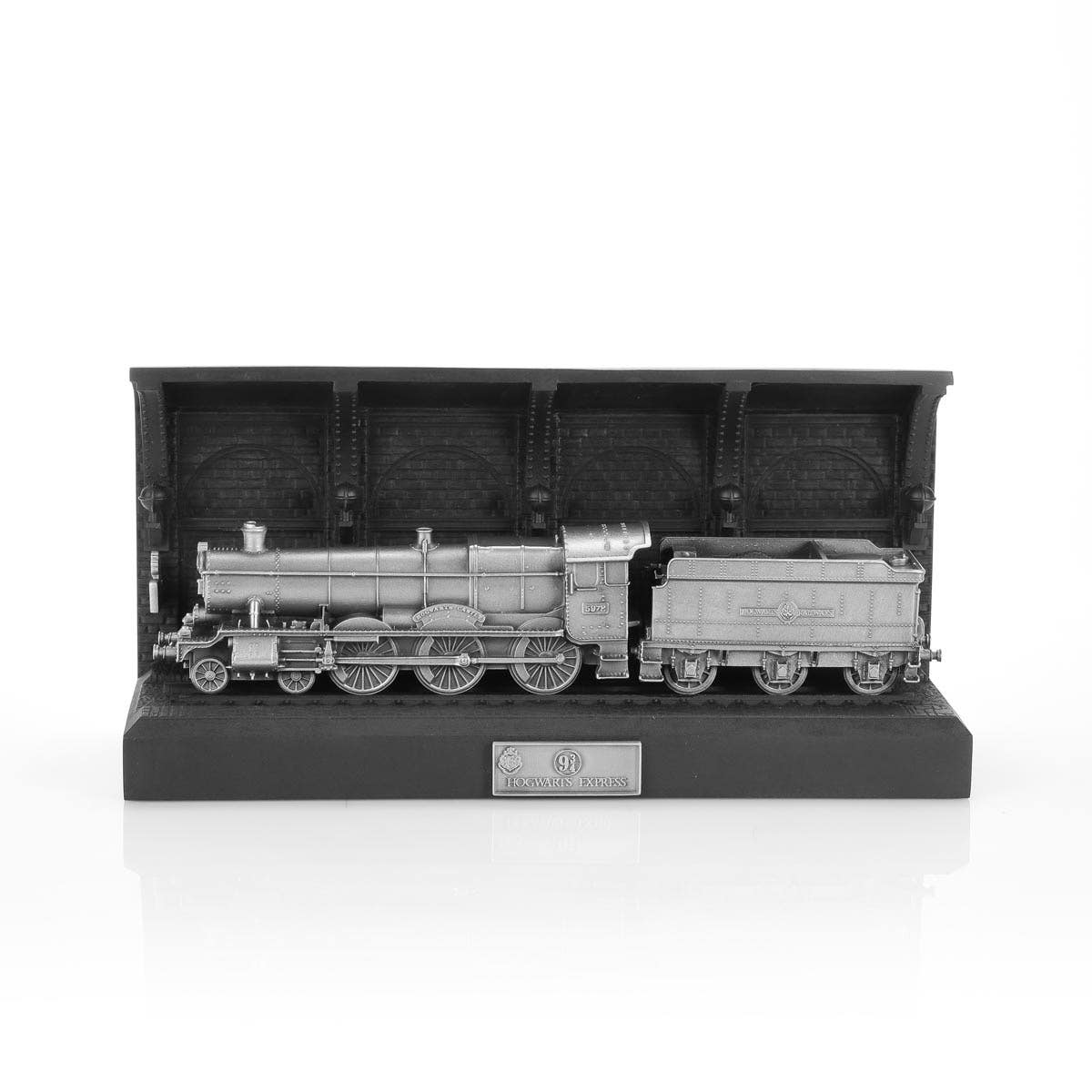
A Royal Selangor collectible — say, a Harry Potter figurine or a Zodiac dragon — can take 20 to 30 separate process steps from raw pewter to finished object. Here is the whole journey, told step by step.

Up to 20 production steps
A figure from Royal Selangor passes through casting, filing, polishing, etching, assembling and more.
Days to weeks per piece
Complex shapes may require weeks of manual work by specialist tinsmiths.
97.5% pure tin
Royal Selangor uses a proprietary alloy with 97.5% tin — far higher purity than the industry standard.
Hand polished finish
The final polishing phase is always manual — machines cannot recreate the living the surface.
Steps 1-3: Design and Shape
Each new Royal Selangor piece begins with a designer. Whether it's a collaborative piece (to match a licensor's visual universe) or an original design, the piece is drawn in detail — often in 3D CAD — before being sculpted by hand or digitally to create the master shape.
The master mold is of the utmost importance: all the details engraved here will appear in every single piece produced. Royal Selangor's own designers and sculptors are among the most experienced in the industry.
Steps 4-6: Mold-making and casting

From the master mold, production molds are made — from sand, rubber or metal, depending on the complexity of the piece. The liquid tin — heated to 250–280 °C — is poured or centrifuged into the molds. Cooling takes minutes for simple pieces, longer for complex shapes.
Steps 7-10: Removal, filing and cleaning
After the block is removed from the mold, the labor-intensive craft begins. Molding seams are removed with precision files. Any imperfections are identified and corrected. Separate components — body, arms, bases, accessories — are filed individually.
A tin figure is not cast — it is created. Casting is only the beginning.
— Royal Selangor Master Craftsman
Steps 11-14: Assembly and soldering

For figures with multiple parts, the components are soldered together with a precision soldering iron. A good soldering session is invisible — the seam disappears into the design. After soldering, the piece is thoroughly scrubbed to remove flux residues and prepared for finishing work.
Steps 15-18: Polishing, finishing and engraving

Here the character of the piece is determined. Satin finish, brilliant, antique or a combination? The polishing techniques are practiced with care. For pieces with an antique finish, a chemical patina is applied to darken the depressions — followed by polishing the high points to create the contrast.
Then, for pieces with engraving: initials, dates, logos or ornaments are engraved by experienced engravers.
Steps 19-20: Quality control and packaging
Each finished piece is manually inspected by a quality controller looking for surface defects, geometric symmetry and proper finish. Approved pieces are placed in Royal Selangor's signature presentation box — ready to ship worldwide.
The piece you receive has undergone all of this. The next time you hold a Royal Selangor piece — do you know it?

Kommentarer
Legg igjen en kommentar