What is tin made of? All about the material behind Royal Selangor

Sleeves først — alltid
Hvert kort skal i syrefri sleeve før noe annet. Fingeravtrykk og mikroriper er den vanligste verdikilleren, og de kommer i det øyeblikket du håndterer kortet ubeskyttet.
Toploader eller binder
Kort du skal omsette eller gradere går i toploader; samlinger du blar i går i binder med sidelastede lommer. Aldri topplastede lommer i ringperm — kortene glir ut.
Skrin, mørke og stabilt klima
Oppbevar mørkt, tørt og stabilt: 40–55 % luftfuktighet og unna yttervegg. Treskrin med lokk beskytter mot både lys og støv — og ser bedre ut enn pappesker.
Forseglede bokser: ikke rør seglet
Uåpnet vare med intakt segl er verdt mest. Oppbevar boksen i original krympeplast, gjerne i beskyttende case, og løft aldri i plasten.
Tin is not an unknown metal — but most people know little about it beyond the fact that it exists. Here's the short version: tin (chemical symbol Sn, from Latin "stannum") is a soft, silvery metal with a low melting point and high malleability. It is these properties that have made it the metal of craftsmen for 6,000 years.
97.5% pure tin
Royal Selangor's alloy is 97.5% tin, 2% copper and 0.5% antimony. No lead, no zinc.
Mined in Malaysia
The most important tin mines globally are found in Malaysia, Bolivia and Indonesia.
Recyclable material
Tin is 100% recyclable without loss of properties. Waste from the factory is remelted and reused.
Lead-free and FDA-approved
Royal Selangor is certified lead-free and FDA-approved for direct contact with food and drink.
Where does tin come from?
Most of the world's tin is mined in China, Indonesia, Peru and Bolivia. Malaysia — where Royal Selangor is based — was historically one of the world's leading tin producers, and it was the availability of tin that laid the foundation for the brand in 1885.
Composition of Royal Selangor Pewter
Royal Selangor uses an alloy of 97% tin, 2% antimony and 1% copper. The antimony gives strength to the soft metal, and the copper improves flexibility during casting. There is no lead — Royal Selangor has been lead-free since 1994, and all products are approved for food contact.
Properties that make pewter ideal for design
- Low melting point (232°C): Makes it easy to cast into precise shapes — something impossible with stronger metals like iron or steel.
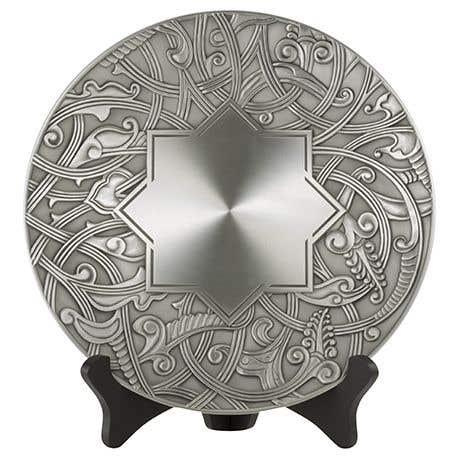
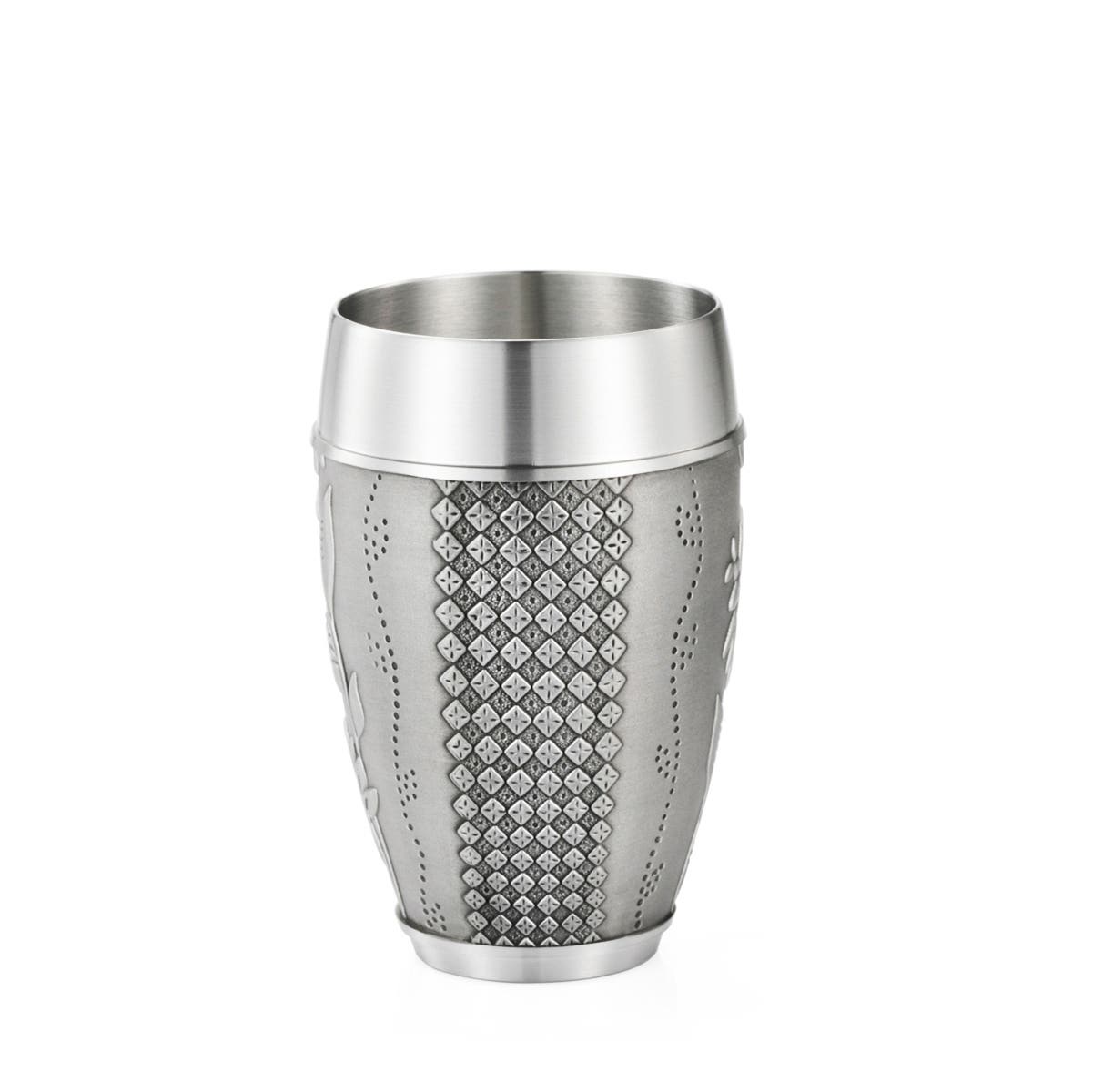
- Softness: Can be polished to a fine shine, and the surface can can be textured with patterns such as the Weave weave or the Frost structure with great precision.
- Corrosion resistance: Pewter oxidizes extremely slowly and requires minimal maintenance.
- Neutral taste: Does not affect the taste of drinks and food — ideal for goblets and decanters.
Tin is not just a metal — it is one of man's earliest partnerships with nature, perfected over 5,000 years.
— Dano Materialguide
Pewter through history
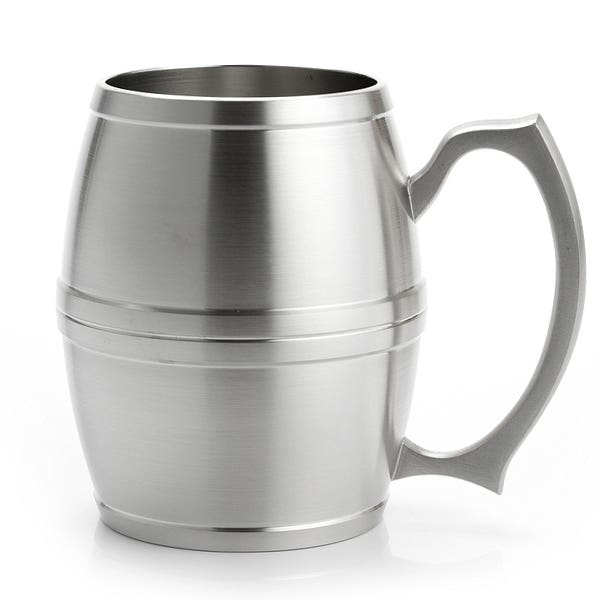
Pewter was used by the Egyptians for jewellery, by the Romans for crockery, and by European nobility for cutlery and jugs from the Middle Ages. English pubs served beer in tin mugs (tankards) for hundreds of years — a tradition that lives on in the Royal Selangor Tankard collection. The material has never gone out of style because it never had to.
Patina and aging
Over time, pewter develops a natural patina — a darker shade especially in recesses and edges. This is not a mistake; it is the metal that ages with dignity. If you want to keep the original shine, polish regularly with a soft cloth. If you want to let the patina come, you do nothing.